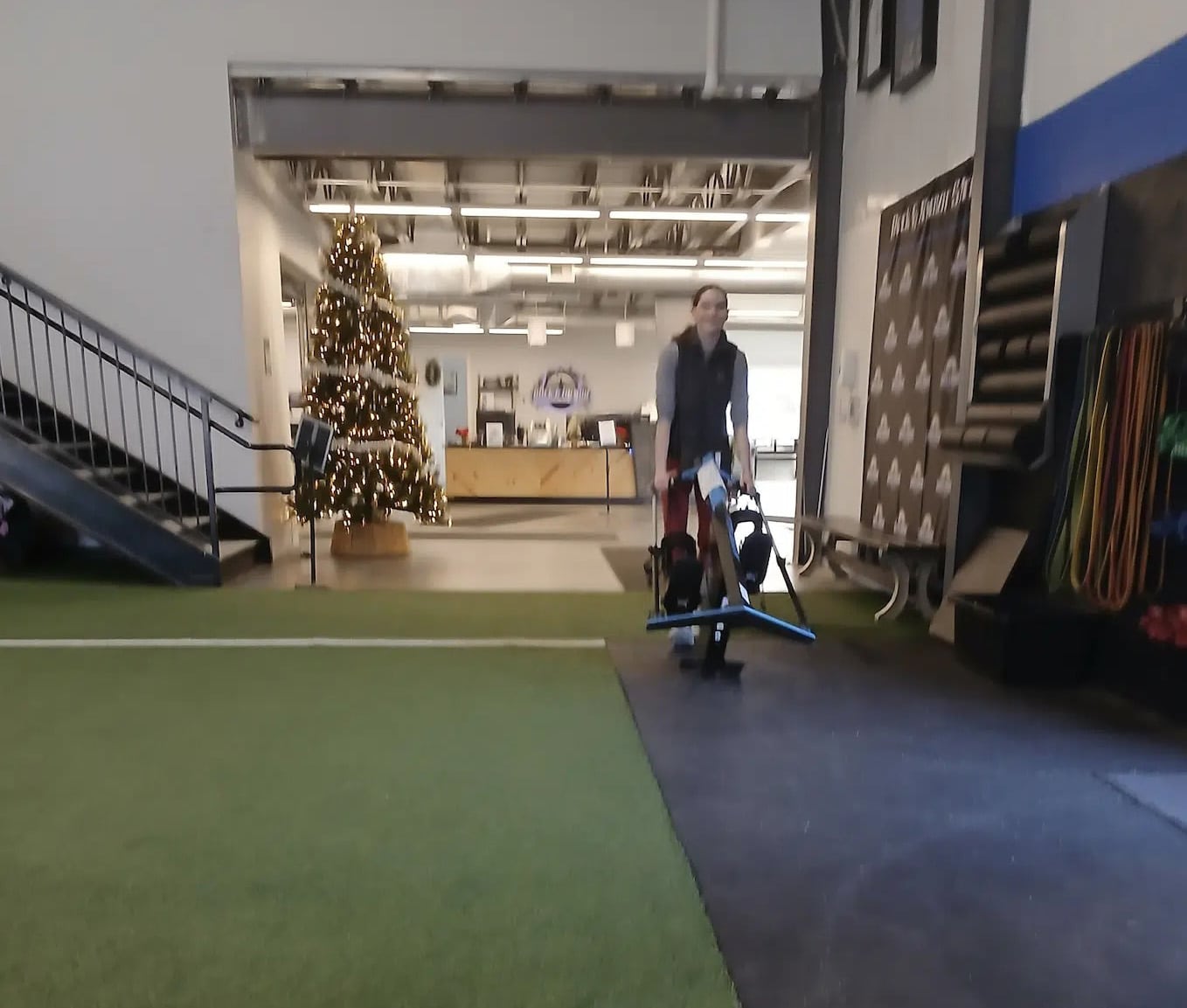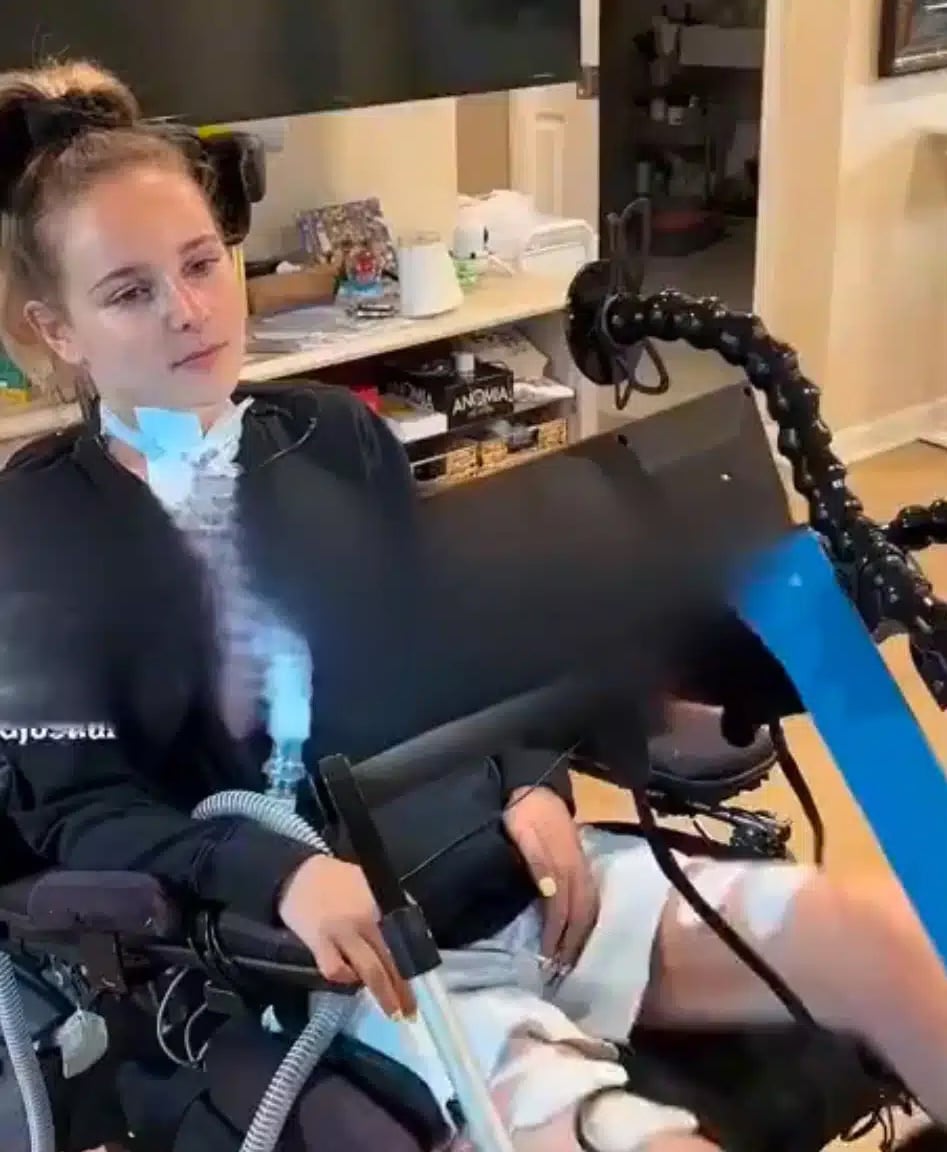

Craig Hospital is an internationally recognized leader in spinal cord and brain injury rehabilitation and research. Located in Englewood, Colorado, Craig Hospital is an independent, not-for-profit, 93-bed hospital providing a comprehensive system of inpatient and outpatient medical care, neurorehabilitation, and long-term follow-up services. Known as a leader in advancing clinical care, Craig integrates technology to help individuals maximize their recovery and independence.
FES cycling is a cornerstone of Craig Hospital’s rehabilitation programs. Their structured and comprehensive approach to integrating FES cycling into both inpatient and outpatient care is the only one of its kind, reflecting Craig’s commitment to innovation and evidence-based practice. Consistent FES cycling, on top of intensive physical and occupational therapy sessions, can enhance cardiovascular fitness, muscle mass, and muscle re-education, as well as support overall wellness throughout rehabilitation.
At MYOLYN, we’re proud to work alongside clinicians who share our mission to expand access to effective, evidence-based FES therapy. We spoke with two of Craig’s physical therapists about how they incorporate FES cycling into their continuum of care—and the results they’re seeing with their patients.
Q: Can you share your name, title, and the type of facility/setting you work in?
A: Julie Wolff, PT – Craig Hospital Inpatient Rehabilitation; Meghan Rozwod, PT – Craig Hospital Inpatient Rehabilitation. Craig Hospital is a nationally recognized neurorehabilitation and research hospital specializing in the care of individuals with spinal cord and brain injuries. Located in Englewood, Colorado, Craig Hospital is an independent, not-for-profit, 93-bed hospital providing a comprehensive system of inpatient and outpatient medical care, neurorehabilitation, and long-term follow-up services.
Q: Can you talk about the FES program at your site?
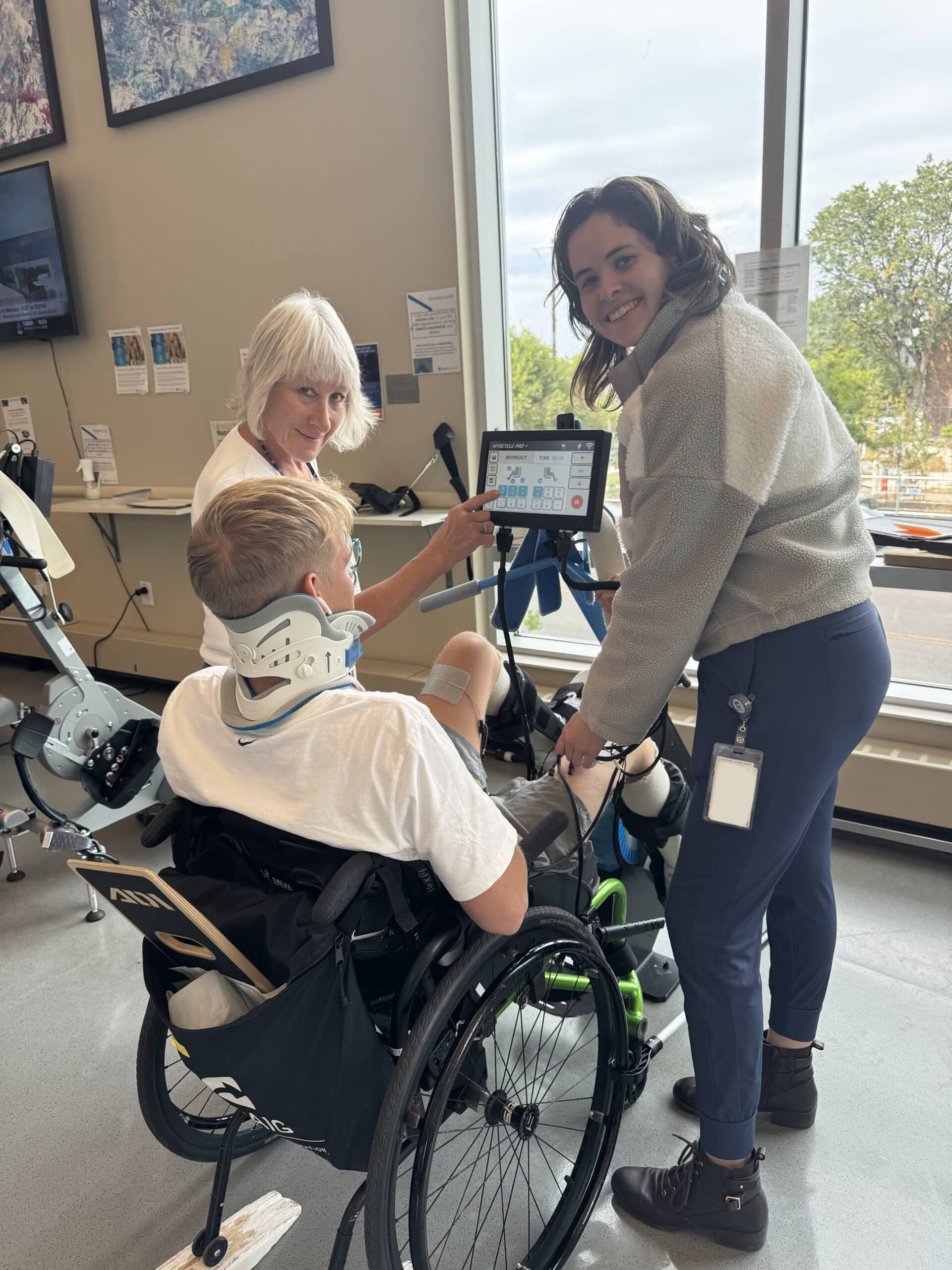
A: FES cycling is an essential part of our inpatient rehabilitation program. Patients are referred to our FES program typically within the first week of their admission and participate 2‑3 times per week for the duration of their stay. The FES program runs in addition to their primary physical, occupational, and speech therapies. We schedule four patients per hour, three times per week, offering 72 slots each week. We have also developed an additional FES group cycling offering called Pedal Up that serves patients who benefit from a smaller staff-to-patient ratio and offers 12‑15 sessions per week.
Q: What types of patients do you typically use FES cycling with?
A: We primarily work with the following types of patients:
- patients with spinal cord injury
- patients with traumatic brain injury
- patients recovering from stroke
- individuals with other neurologic diseases and disabilities
Q: Can you describe how FES cycling fits into your overall rehab approach?
A: Our FES program is a highlight of our patients’ neurorehabilitation journeys and has become a core component of our rehabilitation approach at Craig Hospital. Patients can focus on their primary therapy goals—enhancing functional mobility, independence, safety, and equipment evaluation—while participating in interventions like FES cycling that reduce secondary effects of paralysis. There is significant evidence supporting its benefits, so we aim to provide this intervention early and often during inpatient stays and encourage continued use at home and in the community.
Q: How do you decide which patients may be good candidates for a home system?
A: We educate patients and families about the benefits of continued FES cycling and encourage those who are medically appropriate to continue therapy at home or in a community fitness center. Good candidates are motivated to continue therapy, have sufficient caregiving or family support to assist with setup, and have adequate space at home. Funding, insurance, and affordability also influence whether patients can obtain a home device.
- motivation to continue therapy at home
- sufficient caregiving or family support to assist with setup if needed
- adequate space in the home environment for the equipment
Funding, insurance and the affordability of these devices heavily influence a patient’s ability to obtain a home system.
Q: What outcomes have you observed with FES cycling during inpatient stays?
A: During the inpatient stay, we observe FES cycling to:
- slow the rate of muscle atrophy
- promote increased circulation
- help with spasticity management
A: Patients also report how much they enjoy FES cycling—seeing their legs move again and the social aspect of visiting with other patients while on the bikes.
Q: What feedback do patients share about FES cycling?
A: Patients often report how motivating it is to see and feel their muscles moving after experiencing a catastrophic paralyzing injury. Participating in FES cycling in a group setting allows them to interact with others facing similar life‑changing challenges. Patients look forward to their FES appointments and often report it as one of their favorite therapies offered at Craig Hospital.
Q: What practical insights or tips do you have for clinicians using FES cycling?
A: Our advice would be to stick with it. It can take time to have a conditioning effect and see the long-term benefits of regular FES cycling. Clinicians should gain a strong understanding of the benefits and mechanisms of electrical stimulation so they can educate patients to see the value of this important therapy.
Q: What common challenges do you encounter when implementing FES cycling, and how do you address them?
A: One common challenge is optimizing the physical setup for our patients on the FES cycle since they are often trialing different wheelchairs and cushions during their inpatient stay. Physical setup can significantly impact the power output and efficacy of the session. Careful assessment and adjustments are essential.
Q: What is the value of transitioning patients to home use of FES cycling?
A: Exercise and physical activity are recommended for all of us for optimal health. After sustaining a paralyzing injury, alternative methods are needed to achieve the recommended dosage of exercise. Prioritizing FES cycling participation in the home or community setting is a great way to engage in physical activity and reduce the negative secondary complications associated with spinal cord and brain injury. We find it very helpful to engage the patient and their family in the setup so they feel confident in continuing use at home.