There are approximately 17,700 new cases of spinal cord injury (SCI) yearly, and an estimated 5.4 million people live with paralysis from SCI and other causes in the US. For this population, being unable to move can lead to many debilitating secondary conditions and decreased quality of life.
However, functional electrical stimulation (FES) is a therapy tool that stimulates the body’s targeted muscles and nerves to help people with paralysis or weakened muscles perform movements they would not otherwise be able to do. Read on to learn more about this incredible technology.
FES Definition
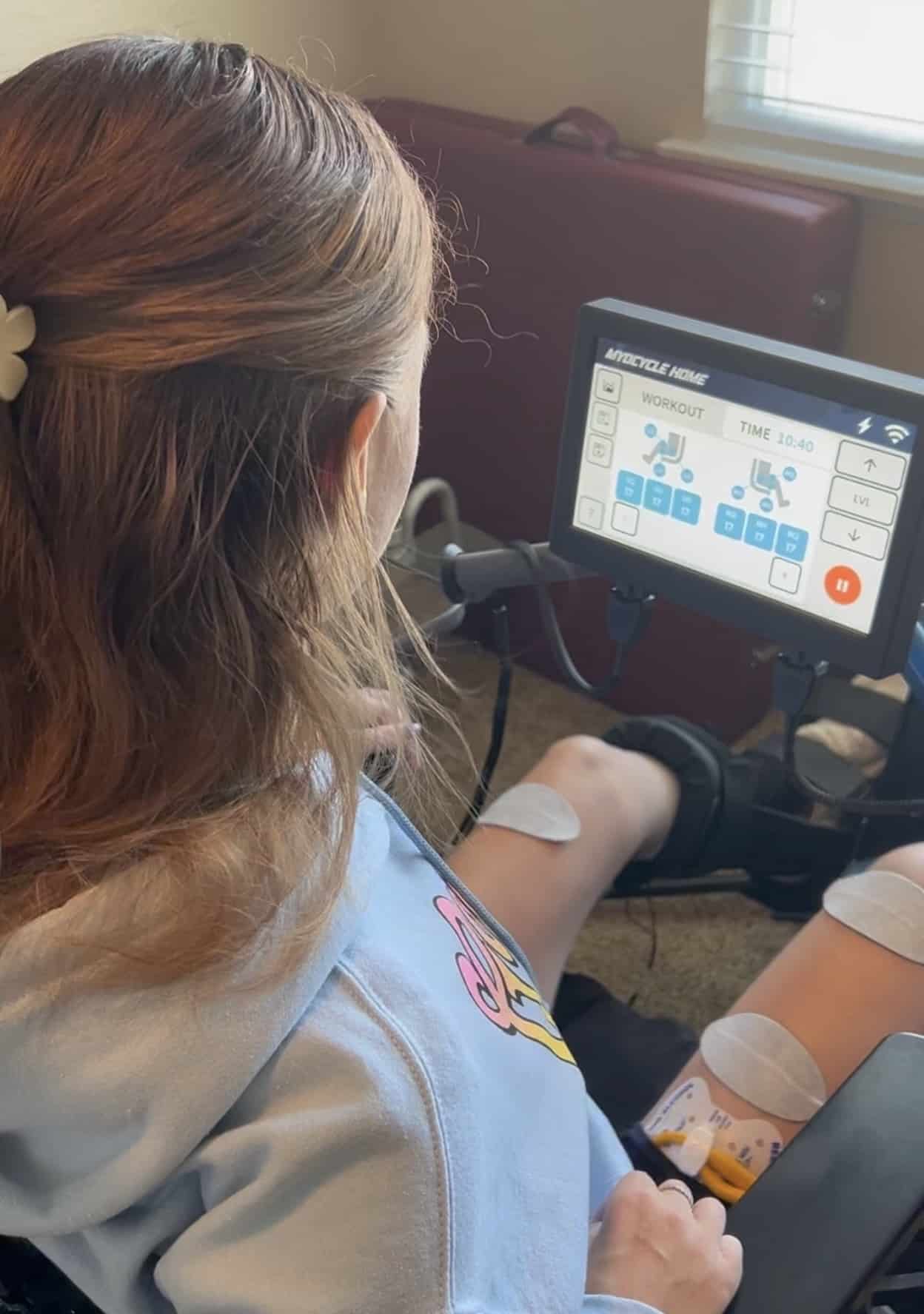
FES uses electrical impulses sent through electrodes placed on the patient’s skin to cause the target muscles to contract. A computer sends these low-level impulses in sequential order to the body’s paralyzed or weakened muscles in order to generate functional movements.
FES is non-invasive and can be combined with other therapies, such as physical or occupational therapy, to treat various conditions, including SCI, multiple sclerosis, stroke, foot drop, and cerebral palsy.
Discovery
The concept of FES has been around for more than a century, but its first documented clinical use dates back to the 1960s. In 1961, neurosurgeon Dr. Norman Shealy, and his collaborators, neurosurgeon Dr. William Sweet, and electrical engineer Dr. Adi Arzbaecher, developed the first implanted electrical stimulation system to treat chronic pain. This paved the way for the development of other implantable electrical devices, including those used in FES to treat a variety of conditions.
FES has improved significantly over time as technology has become more advanced. Today, FES is a well-established technique used in settings around the world to help people with various disabilities to improve their mobility and overall quality of life.
Research
A growing body of clinical research supports the benefits of FES therapy for a wide range of conditions.
- A systematic review of 20 studies found that FES therapy can improve muscle strength, reduce spasticity, and improve walking ability in people with spinal cord injuries.
- A randomized controlled trial found that FES therapy can improve upper limb function in people who have had a stroke.
- Another randomized controlled trial found that FES cycling can improve walking ability, reduce fatigue, and improve quality of life in people with multiple sclerosis.
- A systematic review of 14 studies found that FES therapy can improve muscle strength, reduce spasticity, and improve walking ability in children with cerebral palsy.
- A randomized controlled trial found that FES therapy can reduce pain and improve function in people with knee osteoarthritis.
Overall, these studies suggest that FES therapy can be an effective treatment option for a range of conditions.
Results
The results of FES therapy can vary depending on the condition being treated, how severe the injury or illness is, and the individual’s response to the treatment.
FES Cycling
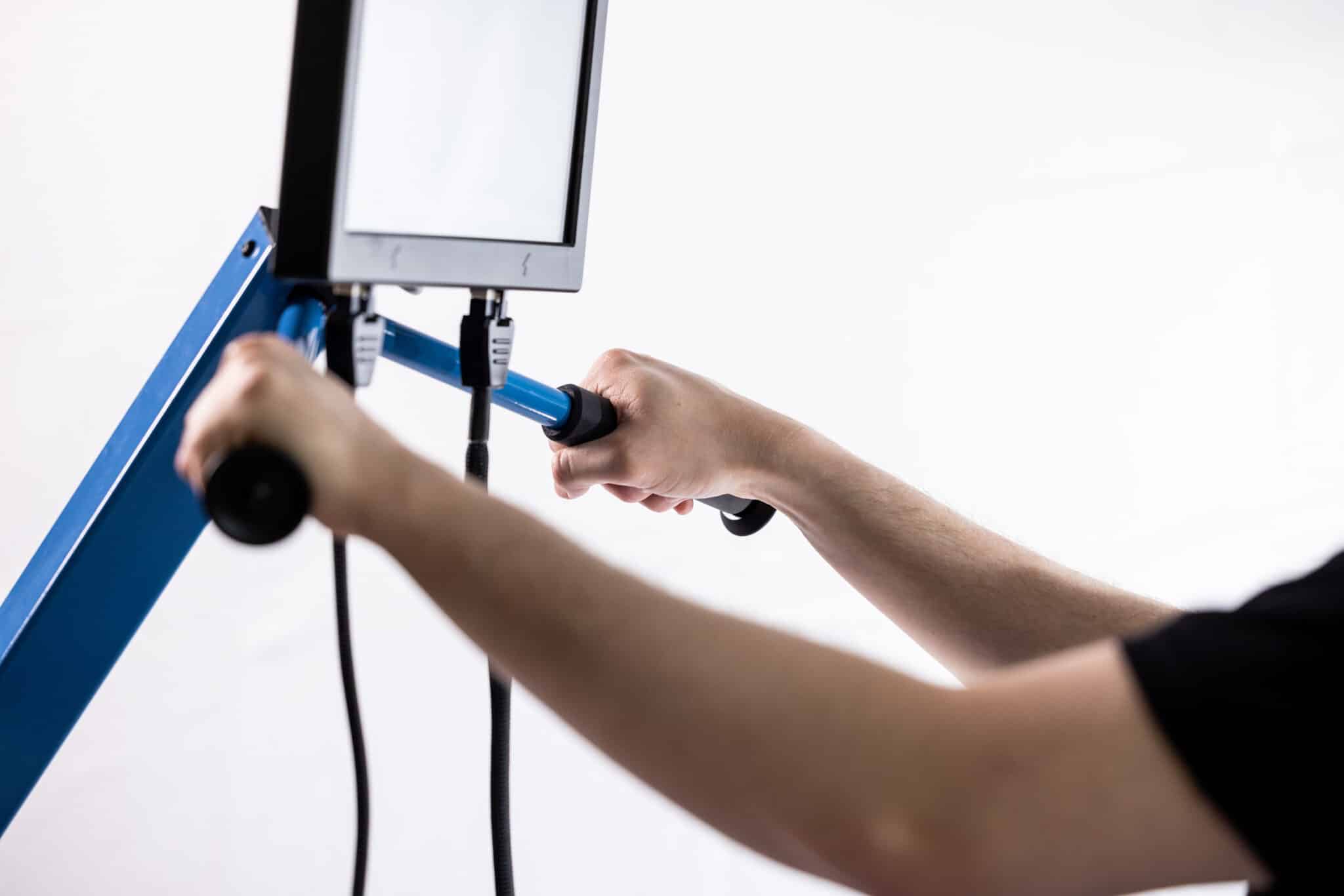
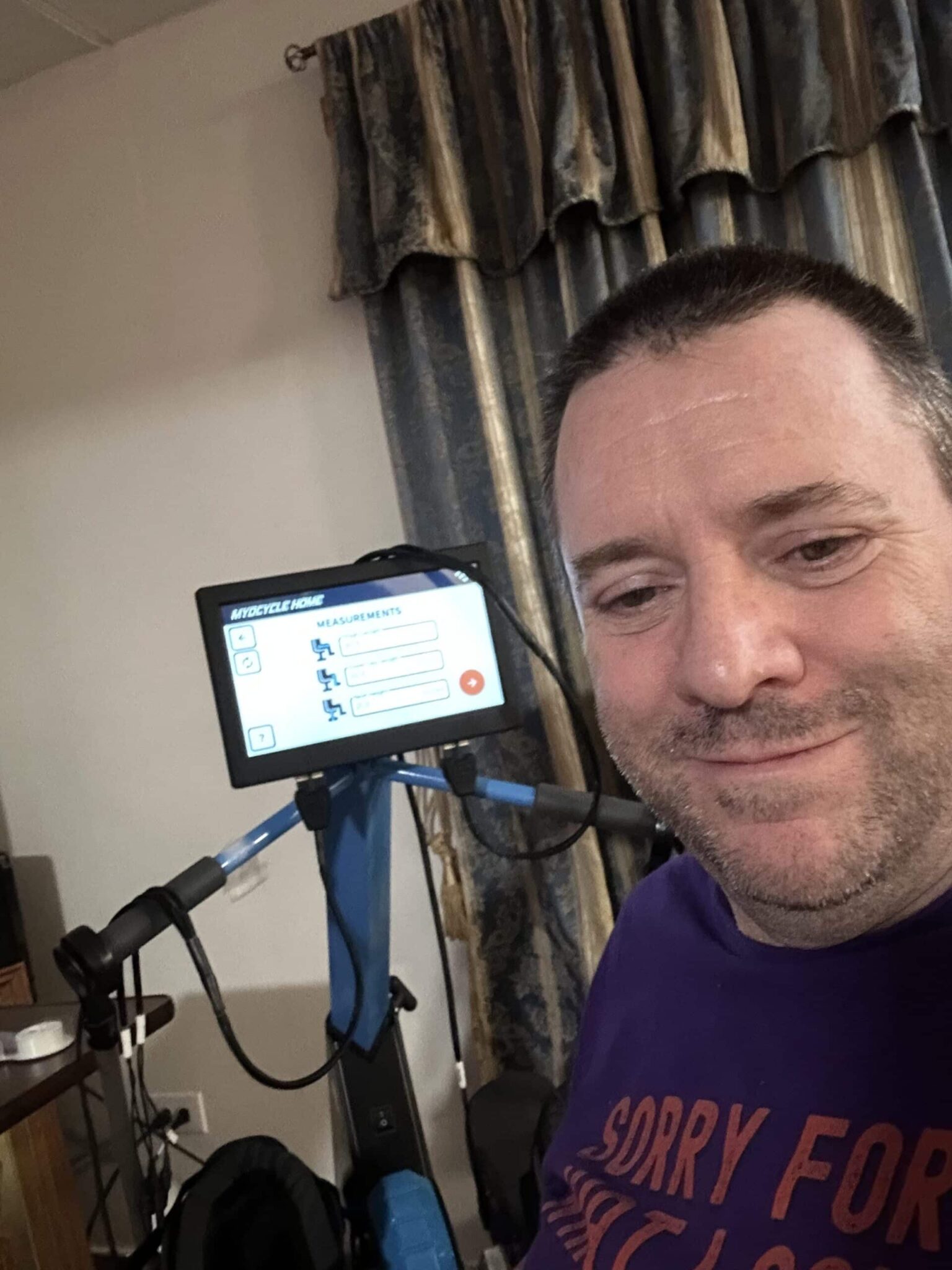
One of the most effective forms of electrical stimulation therapy is FES cycling, which allows the patient to perform a cycling motion on a stationary bicycle.
Research has shown that the benefits of FES cycling include the following:
- Improved cardiovascular fitness by providing a cardiovascular workout similar to traditional bicycling, improving heart and lung health.
- Increased muscle strength in the legs, beneficial for people with conditions such as spinal cord injury, multiple sclerosis, and stroke.
- Reduced muscle stiffness and improved range of motion, beneficial for people with neurological conditions.
- Improved blood circulation and reduced leg swelling.
- Improved bone density in people with spinal cord injury or other conditions that can lead to bone loss.
FES Therapy Can Empower You to Move
At MYOLYN, we are passionate about helping people with paralyzed or weakened muscles move. Our innovative MyoCycles, including the MyoCycle Pro, address many conditions to allow patients to experience movement and exercise again while ultimately improving their quality of life. Explore our site to review the benefits of functional electrical stimulation, or contact us to learn more about whether a personalized FES therapy plan may be right for you.