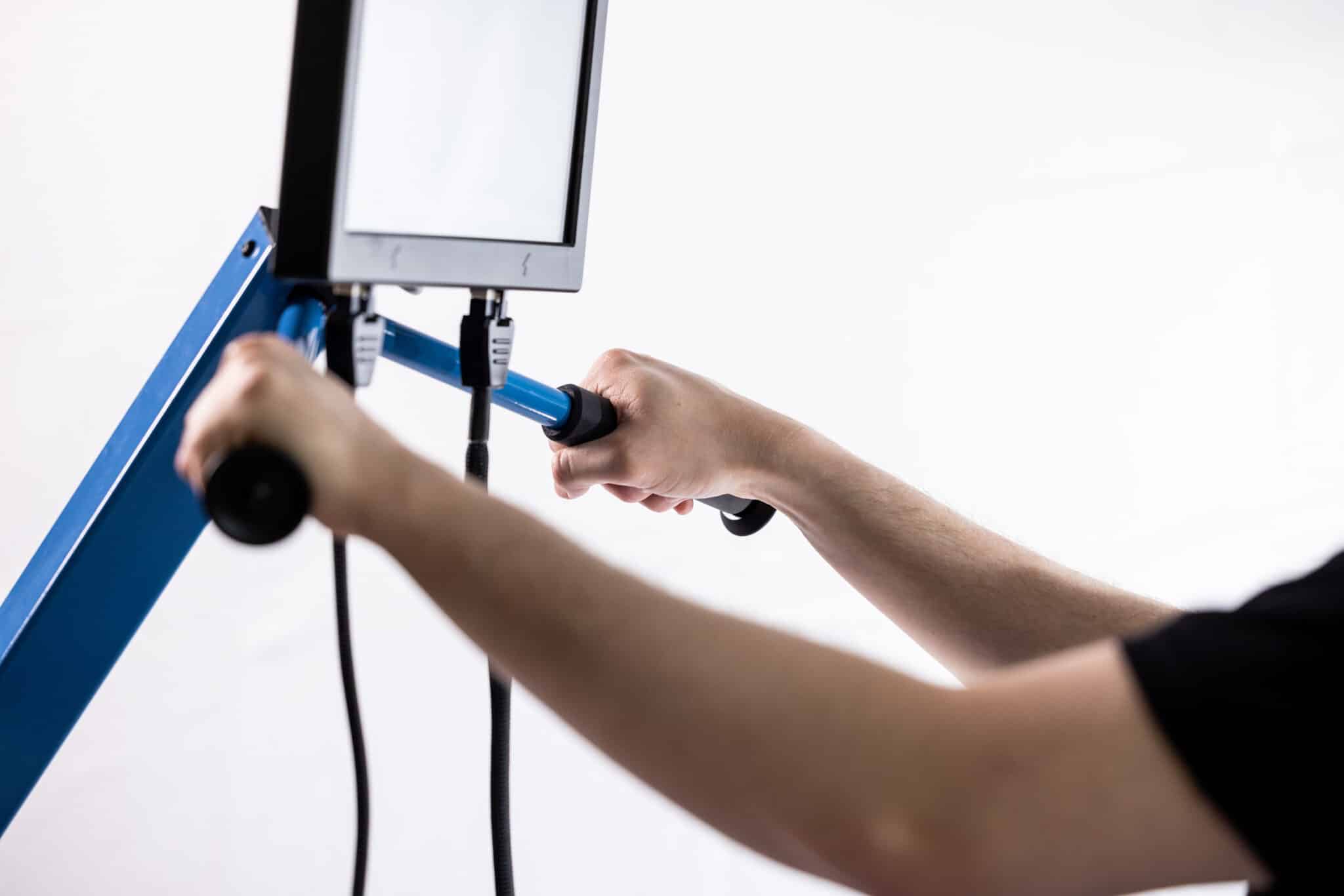
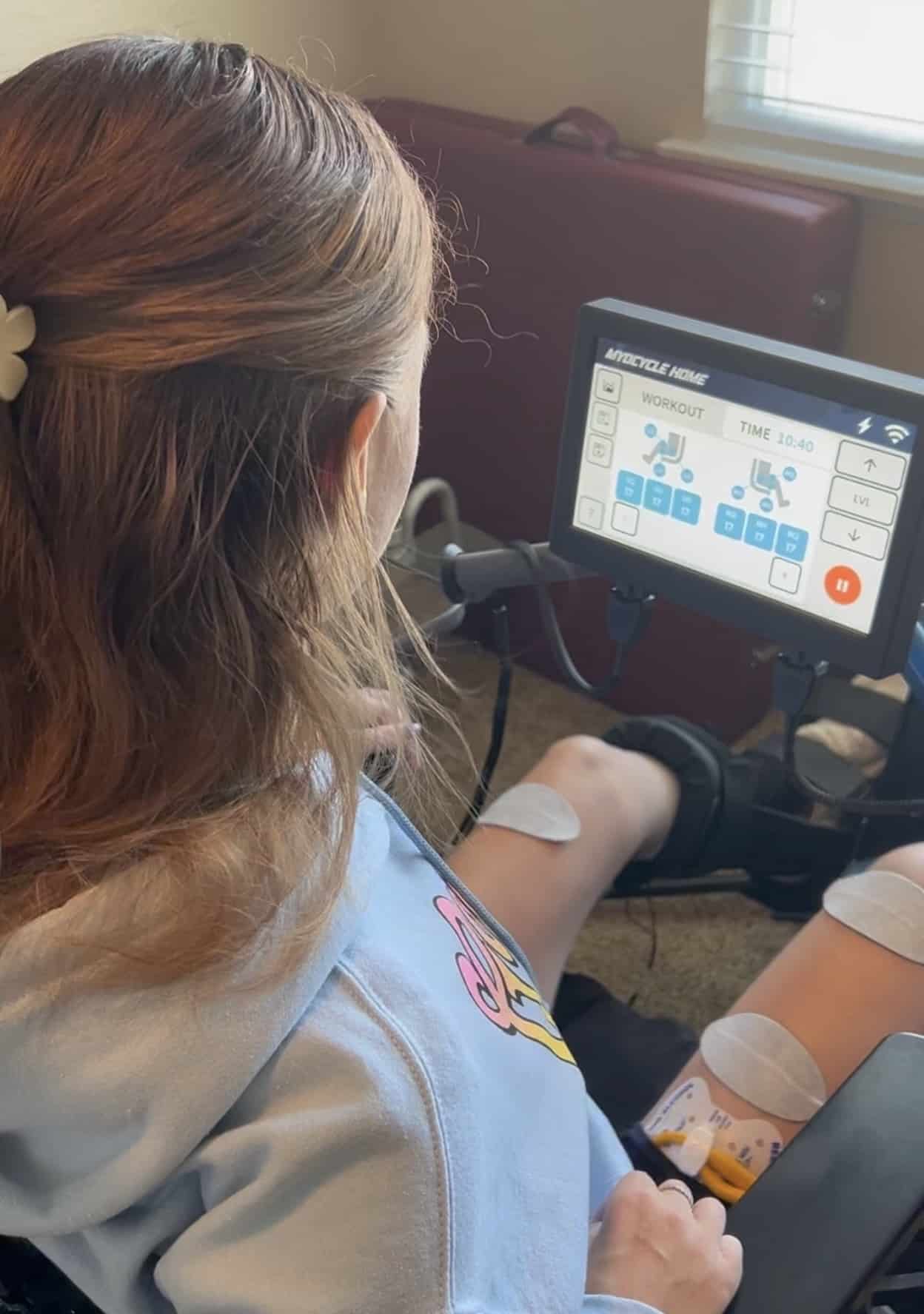
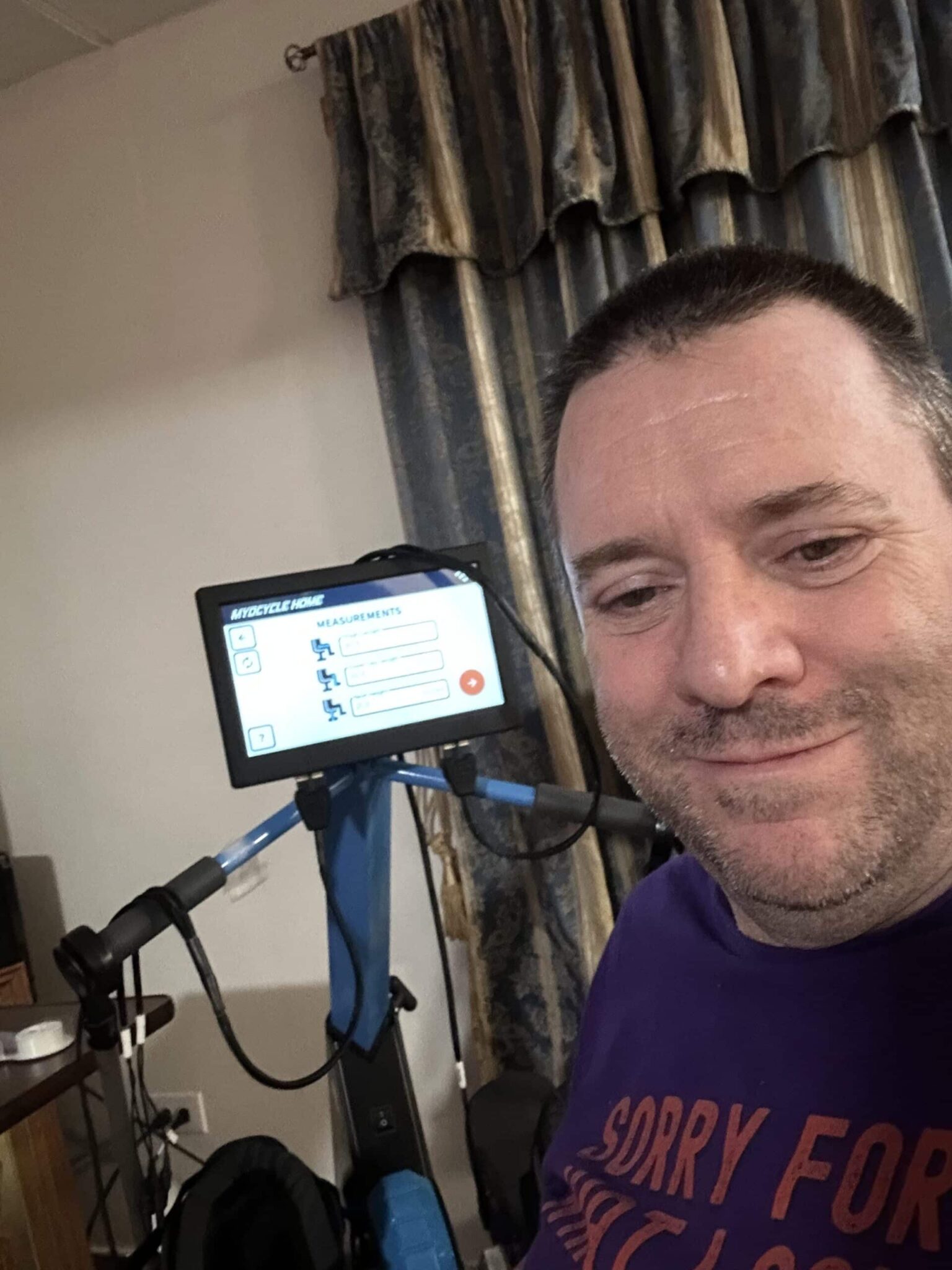
Electrical stimulation (e-stim) has become an essential tool in modern physical therapy, helping countless patients recover from injuries, manage pain, decrease spasticity and regain muscle function. From its humble beginnings to today’s sophisticated applications, the evolution of electrical stimulation in rehabilitation represents a fascinating intersection of scientific discovery and therapeutic innovation.
The History of E-Stim
The use of electricity for therapeutic purposes dates back to ancient times, with the Egyptians using electric fish to treat various ailments. However, the scientific foundation for modern e-stim began in the late 18th century with Luigi Galvani’s discovery of “animal electricity,” the concept that electrical current could stimulate muscle contraction.
The 1960s marked a turning point with the introduction of Transcutaneous Electrical Nerve Stimulation (TENS) units, making electrical stimulation more accessible for pain management. This development revolutionized physical therapy practices and opened doors for further research and applications.
Types of Electrical Stimulation in Modern Physical Therapy
1. Transcutaneous Electrical Nerve Stimulation (TENS)
- Purpose: Primarily used for pain management
- Mechanism: Delivers low-frequency electrical currents to interfere with pain signals
- Applications: Chronic pain, post-operative pain, arthritis– may be used in the clinic, but home units are also available and relatively inexpensive
2. Interferential Current (IFC)
- Purpose: Relief of acute, chronic, and post-traumatic or post-surgical pain
- Mechanism: Uses higher frequency stimulation compared to TENS and can penetrate deeper into tissue with less discomfort
- Applications: IFC is less common and units are more expensive than TENS, but it can be more effective and powerful
3. High-Voltage Pulsed Galvanic Current (HVPC)
- Purpose: Wound healing, pain relief, may help muscle strengthening
- Mechanism: High voltage stimulation is applied with low frequency and low pulse duration
- Applications: Often used to promote wound healing for hard-to-heal chronic pressure sores and diabetic ulcers
4. Neuromuscular Electrical Stimulation (NMES)
- Purpose: Muscle strengthening and re-education
- Mechanism: Facilitates muscle contractions through small electrical impulses
- Applications: Post-surgical rehabilitation, neurological rehabilitation
5. Russian Stimulation
- Purpose: A form of NMES intended to strengthen muscle and increase muscle size, as well as increasing muscular endurance and accelerating recovery in athletic populations
- Mechanism: Uses a high frequency sinusoidal waveform, while in general, NMES uses rectangular, biphasic waveforms.
- Applications: Post-surgical rehabilitation, preventing atrophy, decreasing swelling
6. Functional Electrical Stimulation (FES)
- Purpose: A form of NMES that assists with functional movements
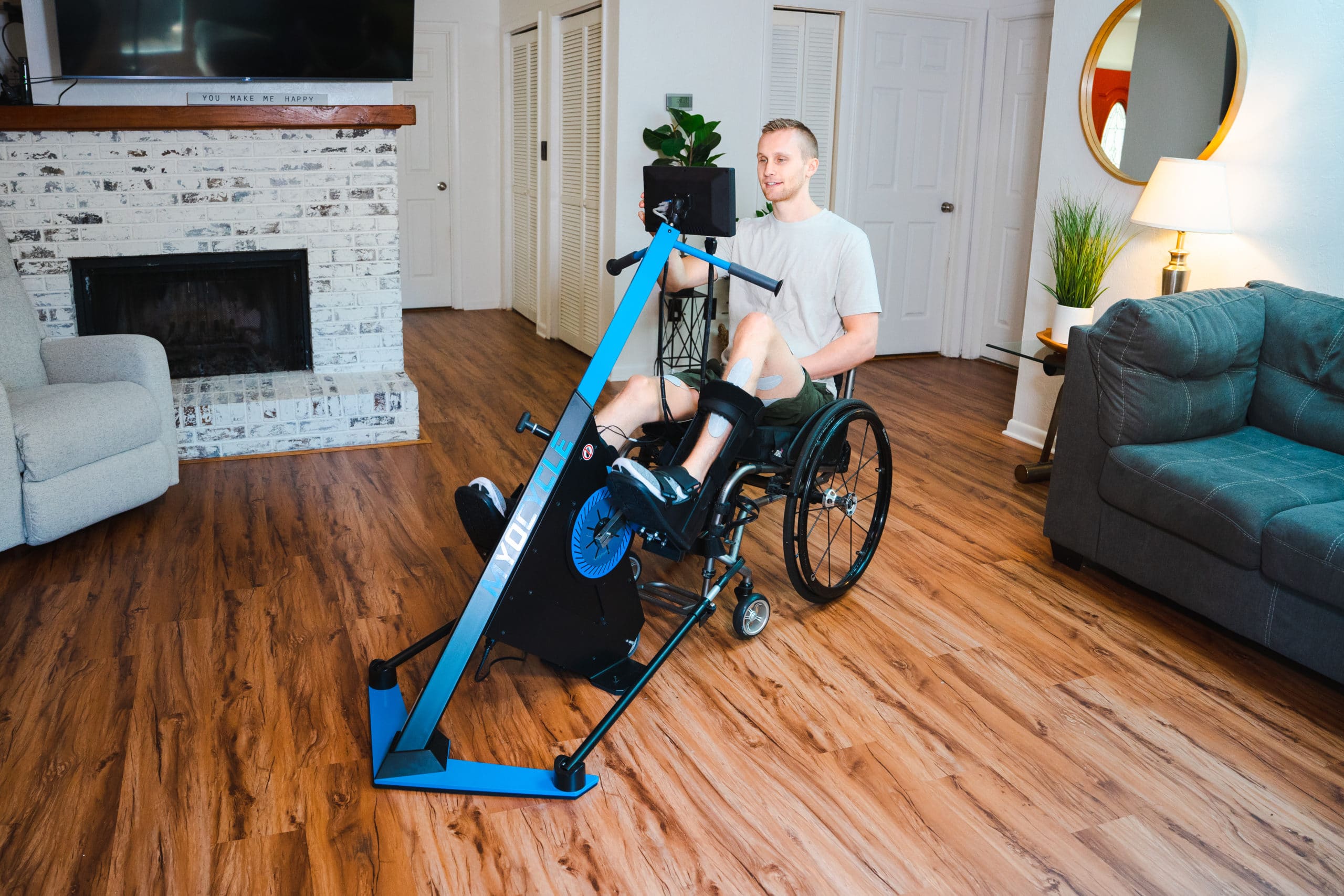
- Mechanism: Typically using a rectangular, biphasic waveform, it is often used to activate multiple muscle groups to contract in a specific sequence to produce functional movements, such as cycling or walking
- Applications: Beneficial in populations with impaired motor control and muscle weakness, such as stroke, brain injury, spinal cord injury, MS, CP, and others.
Clinical Applications and Benefits
As discussed in the section above, modern e-stim offers numerous therapeutic benefits:
- Pain Management
- Reduces both acute and chronic pain
- Decreases reliance on pain medications
- Provides non-invasive treatment options
- Muscle Recovery
- Prevents muscle atrophy
- Improves muscle strength
- Enhances blood circulation
- Neurological Rehabilitation
- Assists in motor relearning
- Improves muscle coordination
- Facilitates functional movement patterns
Condition-Specific Applications of E-stim in Physical Therapy
E-stim is a versatile tool in physical therapy, providing a wide range of benefits to address many patient needs. Let’s explore how e-stim is applied in various patient populations:
1. Orthopedic Patients
- Post-Surgical Rehabilitation:
- Used after joint replacements (e.g., knee, hip) to prevent muscle atrophy and promote early activation of surrounding muscles
- Applied following rotator cuff repairs to maintain muscle tone and improve circulation
- Sports Injuries:
- Helps in the rehabilitation of ligament sprains and muscle strains
- Promotes healing by increasing blood flow and reducing swelling
2. Neurological Patients
- Stroke and Brain Injury:
- Functional Electrical Stimulation (FES) aids in relearning movement patterns
- NMES/FES help prevent or reverse muscle wasting in affected limbs
- Spinal Cord Injury:
- FES assists with functional tasks like grasping objects, maintaining posture, walking and promoting exercise via FES cycling
- E-stim helps manage spasticity, improves circulation, and reduce/reverse muscle atrophy in paralyzed limbs, among other benefits
- Multiple Sclerosis:
- Used to combat muscle weakness, decrease spasticity, and improve functional mobility including gait
- TENS can help manage chronic pain associated with MS
- Cerebral Palsy:
- E-stim helps improve muscle strength and motor control
- Can be used to address issues like foot drop or hand function
3. Pediatric Patients
- Muscular Dystrophy:
- Currently, there is no consensus on the safety and efficacy of e-stim in people with Duchenne Muscular Dystrophy (DMD)
4. Geriatric Patients
- Fall Prevention:
- Osteoarthritis Management:
- TENS can provide pain relief and improve joint mobility
- Post-Hip Fracture Rehabilitation:
- E-stim aids in regaining strength and function in the affected leg
5. Chronic Pain Patients
- Low Back Pain:
- TENS offers non-pharmacological pain management
- NMES strengthens core muscles to improve spinal support
- Fibromyalgia:
- TENS might help manage pain in people with fibromyalgia, though there is no strong evidence to strongly support its use
- Neuropathic Pain:
- TENS is a low-cost and low-risk intervention that may help those with neuropathic pain, however this literature review was unable to conclude confidently that TENS is an effective means of reducing neuropathic pain
6. Cardiac Rehabilitation Patients
- Post-Cardiac Event:
- Gentle e-stim may help with early mobilization and prevent deconditioning
- FES has been shown to improve leg strength and endurance after cardiac surgery
- Heart Failure:
- NMES may be beneficial in those with advanced chronic heart failure and FES may reduce the risk of rehospitalization.
- Peripheral Artery Disease:
- E-stim improves circulation and muscle endurance in affected limbs
- NMES may help with maximal walking distance
7. Respiratory Patients
- COPD:
- E-stim on respiratory muscles can improve exercise capacity without breathlessness
- Post-COVID-19 Recovery:
- NMES may help wean patients from ventilators and promote improved muscle function
8. Pelvic Health Patients
- Urinary Incontinence:
- E-stim may help with quality of life in women with stress urinary incontinence
Tailoring E-stim Protocols
The effectiveness of e-stim largely depends on tailoring the treatment to each patient’s specific goals and needs. Factors considered include:
- Patient’s Condition: The underlying pathology or injury determines the type of e-stim and its parameters.
- Treatment Goals: The goal – whether pain relief, muscle strengthening, or functional improvement – guides the protocol.
- Patient Tolerance: The intensity and duration of e-stim are adjusted based on the patient’s tolerance and response.
- Stage of Healing: Acute injuries require different approaches compared to chronic conditions.
- Integration with Other Therapies: E-stim is often used in conjunction with manual therapy, exercise, and other interventions to promote the best outcomes.
The Future of Applications of Electrical Stimulation in Physical Therapy
The future of electrical stimulation in physical therapy looks promising, with several emerging trends:
- AI Integration
- Machine learning algorithms to optimize treatment parameters
- Predictive analytics for better outcomes
- Personalized treatment protocols
- Advanced Wearables
- Integration into clothing and accessories
- Continuous monitoring and adjustment
- Enhanced user comfort and convenience
- Telehealth Applications
- Remote monitoring capabilities
- Virtual therapy sessions
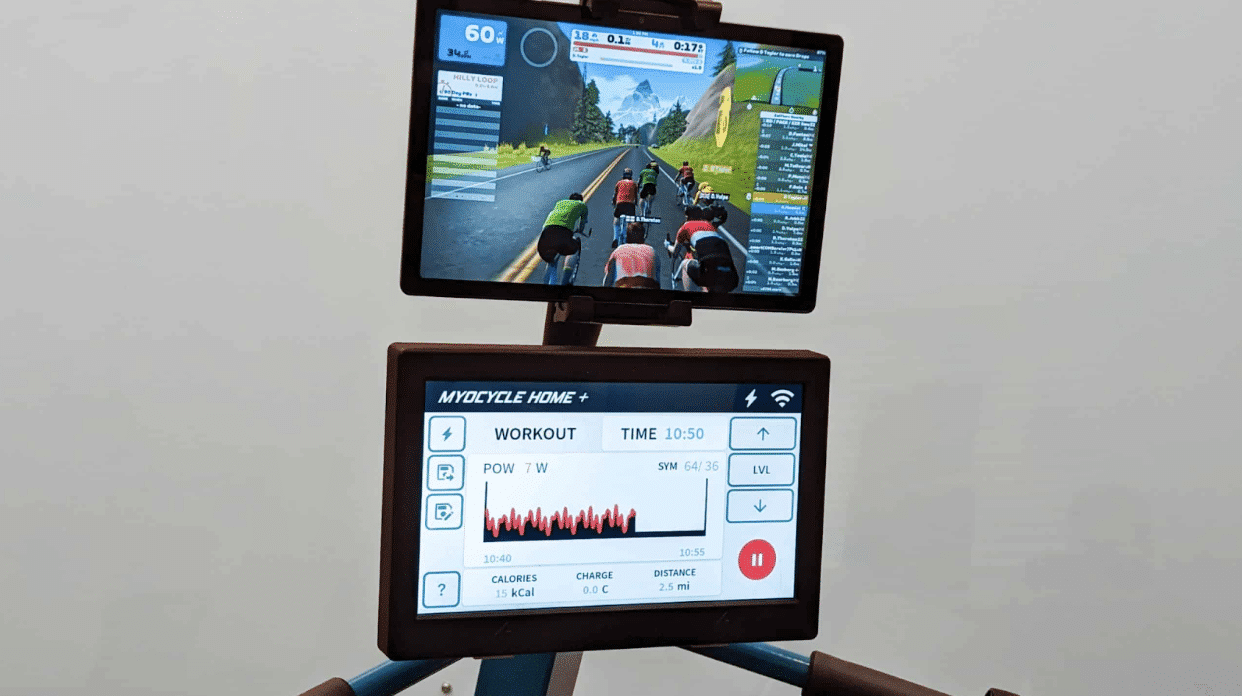
- Virtual Cycling
- Engaging virtual worlds to cycle through
- Community building via Virtual FES Cycling
Best Practices and Safety Considerations
While electrical stimulation is generally safe, it is important to:
- Get a Professional Assessment: Guidance by a qualified physical therapist will help you determine the appropriate stimulation parameters for your goals so you may use stimulation safely and effectively
- Understand Contraindications to E-stim: Be aware of conditions and situations where e-stim should be avoided– if you purchase a stimulation device, read the user manual thoroughly
- Familiarize Yourself with Proper Electrode Placement: Correct electrode positioning will give the best results
- Avoid Hazards: Use electrodes as advised on the packaging and toss them when they no longer adhere well to the skin to avoid tissue damage
Conclusion
The evolution of electrical stimulation in physical therapy represents a remarkable journey from ancient practices to cutting-edge technology used in clinics and at home today. As we continue to advance our understanding of bioelectricity and develop more sophisticated devices, the role of e-stim in rehabilitation will likely expand further, offering even more effective treatment options for patients.